MOTOR BIKES
Motor Bikes for Sale
Welcome to our collection of Motor Bikes for Sale, where riders can explore motorcycles suited to daily commuting, weekend adventures, long-distance touring, sport riding, and everyday enjoyment. Whether you are searching for your first motorcycle, upgrading to a more powerful model, or looking for a dependable used bike, choosing the right motorbike requires more than comparing prices and appearance.
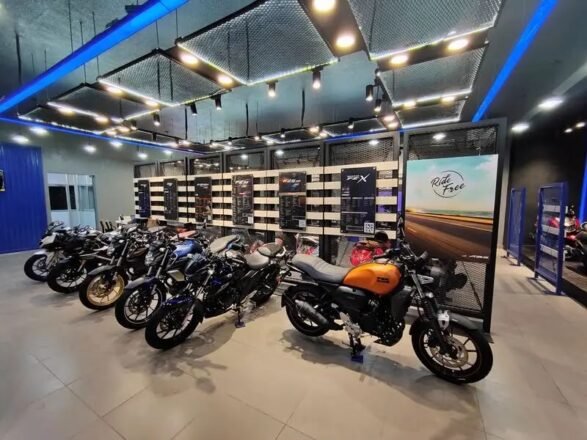
From lightweight commuter motorcycles and versatile standard bikes to powerful sport bikes, comfortable cruisers, touring motorcycles, and capable adventure machines, each category offers a different riding experience. Understanding engine size, comfort, handling, maintenance requirements, safety features, and ownership costs can help you make a confident purchasing decision.
Our goal is to help you understand the most important factors to consider when comparing Motorcycles for Sale, so you can choose a motorcycle that matches your riding style, experience level, budget, and long-term needs.
Find the Right Motorcycle for Your Lifestyle
Buying a motorcycle is about more than choosing an attractive design or the biggest engine you can afford. The right bike should fit the way you travel, the roads you ride, your experience level, and the kind of freedom you want from two wheels.
Whether you are a first-time rider looking for an approachable commuter, an experienced enthusiast searching for performance, or an adventurer planning long-distance journeys, understanding your options makes the buying process easier.
Our selection of Motor Bikes for Sale gives riders an opportunity to explore different motorcycle styles and discover machines suited to commuting, recreation, touring, performance riding, and everyday transportation.
A motorcycle should feel like a natural extension of your riding goals—not a compromise you regret after the excitement of purchase wears off.
Explore Our Motor Bikes for Sale & Major Types of Motorcycles
Motorcycles are built around different riding experiences. Some prioritize fuel efficiency and maneuverability, while others focus on comfort, acceleration, long-distance capability, or versatility across changing terrain.
Understanding the differences between motorcycle categories helps you narrow your search and select a machine that genuinely fits your lifestyle.
Sport Bikes
Sport bikes are designed for responsive handling, performance-oriented riding, and aerodynamic styling. Their engines, chassis, and riding positions are often engineered to deliver an engaging experience on winding roads and performance-focused routes.
These motorcycles appeal to riders who enjoy sharp handling, acceleration, and a more connected riding experience.
When considering a sport bike, evaluate engine performance, riding position, seat height, insurance costs, and whether the motorcycle’s capabilities match your experience.
Cruiser Motorcycles
Cruiser motorcycles are known for relaxed ergonomics, distinctive styling, and a comfortable approach to riding. Many feature low seat heights, accessible controls, and designs that appeal to riders who enjoy leisurely journeys.
Cruisers can be suitable for city riding, weekend trips, and relaxed highway travel, depending on the specific model.
Before purchasing, consider the motorcycle’s weight, passenger comfort, riding position, engine character, and suitability for your typical routes.
Touring Motorcycles
Touring motorcycles are designed for riders who value comfort and practicality over extended distances. They often include features such as wind protection, luggage capacity, comfortable seating, and equipment intended to make longer journeys more enjoyable.
If you regularly travel between cities or plan extended road trips, consider fuel range, storage, seating comfort, suspension, and the availability of replacement parts.
A touring motorcycle should make long hours in the saddle feel manageable rather than exhausting.
Adventure Motorcycles
Adventure motorcycles are built for versatility, allowing riders to explore paved roads and, depending on the model, selected unpaved routes.
They commonly feature upright riding positions, substantial suspension travel, ground clearance, and mounting options for luggage or protective equipment.
Adventure motorcycles can be appealing to riders who want one machine for commuting, weekend exploration, and longer trips.
However, larger adventure bikes may be heavy or tall, so evaluate seat height, low-speed handling, and your actual riding environment before choosing one.
Standard and Naked Motorcycles
Standard and naked motorcycles are often appreciated for their balanced ergonomics, straightforward design, and everyday versatility.
Their upright riding positions can make them comfortable for commuting while still offering enjoyable performance on open roads.
These motorcycles are worth considering if you want a machine that is practical, approachable, and adaptable to different riding situations.
Dual-Sport Motorcycles
Dual-sport motorcycles combine road-going equipment with features intended for off-road exploration.
They can be useful for riders who want to travel on pavement while retaining the ability to explore gravel roads, trails, or other suitable terrain.
When comparing dual-sport motorcycles, pay attention to suspension travel, tire selection, ground clearance, weight, and maintenance requirements.
Not every dual-sport motorcycle is intended for the same level of off-road use, so always review the manufacturer’s specifications.
Electric Motorcycles
Electric motorcycles use battery-powered electric motors rather than traditional gasoline engines.
They can offer quiet operation, immediate motor response, and a different ownership experience from conventional motorcycles.
For buyers considering an electric motorcycle, important factors include real-world range, charging access, battery capacity, charging time, purchase price, and the availability of service support.
An electric motorcycle may be particularly convenient for riders whose daily travel is predictable and who have reliable access to charging.
Why Buy a Motorcycle?
Motorcycles offer a combination of transportation, recreation, and personal freedom that is difficult to replicate with many other vehicles.
For some riders, a motorcycle is an economical commuting solution. For others, it is a weekend escape, a touring companion, or a lifelong passion.
Enjoy Greater Freedom on the Road
A motorcycle provides a direct connection to the surrounding environment. Every journey can become an opportunity to experience changing landscapes, discover new routes, and enjoy the road in a more engaging way.
From short evening rides to extended adventures, motorcycling allows you to turn ordinary travel into something more memorable.
Practical Transportation for Everyday Travel
Depending on the motorcycle and riding environment, two-wheel transportation can offer useful maneuverability and convenient parking options.
Smaller motorcycles may also provide efficient fuel consumption, making them attractive to commuters who want to manage everyday travel expenses.
Actual savings depend on fuel prices, insurance, maintenance, riding habits, and local regulations.
Choose From Many Riding Styles
The motorcycle market offers a wide range of options for different preferences.
You can choose from lightweight commuter motorcycles, comfortable cruisers, powerful sport bikes, touring machines, adventure motorcycles, and electric alternatives.
This variety makes it possible to find a motorcycle that reflects your personality and practical requirements.
Build Skills and Enjoy a Rewarding Hobby
Motorcycling encourages riders to develop balance, coordination, road awareness, and mechanical understanding.
Many enthusiasts enjoy learning about motorcycle maintenance, customizing their machines, attending riding events, and connecting with other riders.
For those who approach it responsibly, motorcycling can become both a practical form of transportation and a rewarding long-term hobby.
How to Choose the Right Motor Bikes for Sale
The right motorcycle is not necessarily the most powerful or expensive model available. It is the one that fits your experience, body size, budget, and intended use.
Before purchasing, consider the following factors carefully.
Consider Your Main Riding Purpose
Think about where and how you expect to use the motorcycle.
Will you primarily commute through urban traffic, travel on highways, take weekend rides, explore rural roads, or plan long-distance journeys?
Your answer will help you identify which motorcycle categories are worth prioritizing.
A motorcycle designed for touring may be unnecessary for short city trips, while a small commuter bike may not provide the comfort you want for extended highway travel.
Choose an Appropriate Engine Size
Engine displacement is commonly measured in cubic centimeters, or cc.
It can help you compare motorcycles, but displacement alone does not determine how a motorcycle performs. Power delivery, torque, gearing, weight, and engine design all influence the riding experience.
Instead of choosing based solely on engine size, consider how the motorcycle delivers its performance and whether it suits your experience.
Evaluate Seat Height and Ergonomics
A motorcycle should feel comfortable and manageable when you are seated, stopping, and maneuvering at low speeds.
Pay attention to:
Seat height.
Handlebar reach.
Footpeg position.
Riding posture.
Seat width.
Overall motorcycle weight.
A proper fit can improve comfort and confidence, especially during longer rides or frequent stops.
Consider Motorcycle Weight
Weight influences parking, low-speed maneuvering, handling, and how easily you can move the motorcycle when the engine is off.
A heavier motorcycle may provide additional stability or touring equipment, while a lighter bike can be easier to manage in tight spaces.
Choose a weight that you can handle confidently in your normal riding environment.
Think About Comfort and Practical Features
Comfort matters more as riding distances increase.
Depending on your needs, consider wind protection, seat design, suspension, luggage capacity, passenger accommodations, vibration, and available accessories.
The features that seem minor during a short ride can become extremely important during a full day on the road.
Establish a Complete Ownership Budget
Your motorcycle budget should extend beyond the advertised purchase price.
Include insurance, registration, taxes, protective riding equipment, fuel or electricity, routine maintenance, tires, repairs, and storage.
Understanding these costs before purchasing helps you select a motorcycle you can enjoy without unnecessary financial pressure.
New vs. Used Motor Bikes for Sale: Understanding Your Options
Both new and used motorcycles can be excellent choices when evaluated carefully.
The right decision depends on your budget, desired features, maintenance expectations, and willingness to inspect the motorcycle’s condition.
Advantages of Buying a New Motorcycle
A new motorcycle may appeal to buyers who want current features, a known starting condition, and manufacturer warranty coverage where applicable.
Other potential advantages include:
Access to current model-year technology.
Greater choice of factory configurations.
No previous ownership history.
The ability to establish maintenance records from the beginning.
Potential access to manufacturer-supported service networks.
However, buyers should still compare pricing, insurance, depreciation, and the features they genuinely need.
Advantages of Buying a Used Motorcycle
Used motorcycles can provide access to different model years, established designs, and price points that may be more accessible than purchasing new.
Potential advantages include:
Lower initial purchase costs.
Access to discontinued or sought-after models.
A wider range of motorcycles within a fixed budget.
Accessories or upgrades already installed.
Potentially slower depreciation, depending on the model and market.
The condition of the individual motorcycle remains critical. A low price does not automatically represent good value.
What to Inspect Before Buying a Used Motorcycle
Before purchasing a used motorcycle, examine its mechanical condition and request documentation that supports the seller’s description.
Important inspection areas include:
Frame and signs of accident damage.
Engine starting behavior.
Unusual engine noises.
Oil or coolant leaks.
Tires and brake components.
Chain and sprockets where applicable.
Suspension and steering.
Lights, instruments, and electrical systems.
VIN and title documentation.
Maintenance history.
Previous modifications.
When possible, arrange an independent inspection by a qualified motorcycle technician.
Motorcycle Specifications Every Buyer Should Understand
Specifications help you compare motorcycles beyond appearance and marketing language.
Knowing what the numbers mean allows you to make decisions based on actual requirements rather than assumptions.
Engine Displacement
Engine displacement describes the swept volume of an engine’s cylinders and is commonly measured in cubic centimeters.
It provides useful context when comparing motorcycles, but a larger displacement does not automatically mean a motorcycle is more suitable for every rider.
Consider displacement alongside power, torque, weight, fuel consumption, and intended use.
Horsepower and Torque
Horsepower describes an engine’s rate of doing work, while torque refers to rotational force.
Together, they influence acceleration, responsiveness, cruising ability, and how the motorcycle behaves under different riding conditions.
A motorcycle with impressive peak figures may not necessarily feel the way you expect in everyday riding, so consider the overall engine character.
Seat Height
Seat height affects how easily a rider can reach the ground while stopped.
This specification is particularly important for shorter riders and anyone who expects frequent low-speed maneuvering.
Seat shape, motorcycle width, suspension setup, and rider inseam also influence practical fit.
Motorcycle Weight
Weight specifications help buyers understand how manageable a motorcycle may be during parking, transport, and slow-speed riding.
Manufacturers may publish different weight measurements, such as dry weight, wet weight, or curb weight.
Always check the manufacturer’s definition before comparing figures between models.
Fuel Capacity and Range
Fuel capacity indicates how much fuel a motorcycle can carry, while practical riding range depends on fuel consumption, speed, traffic, terrain, and riding conditions.
Long-distance riders may prioritize greater range, while urban riders may prefer compact dimensions and easy refueling.
Electric motorcycle buyers should evaluate usable battery capacity, real-world range, and charging availability.
Braking and Suspension
Braking and suspension systems influence control, comfort, and how a motorcycle responds to road surfaces.
When comparing models, consider brake design, suspension adjustability, tire condition, and available rider-assistance features.
Proper maintenance and setup are just as important as the equipment itself.
Motor Bikes for Sale Safety: Preparation Before Your First Ride
Motorcycling requires awareness, physical control, and responsible decision-making.
Unlike occupants in enclosed vehicles, motorcycle riders have limited physical protection during a collision. Choosing suitable equipment and developing proper riding habits are essential parts of ownership.
Choose a Properly Fitted Motorcycle Helmet
A properly fitted motorcycle helmet is one of the most important pieces of protective equipment a rider can own.
In the United States, look for helmets that meet the applicable DOT Federal Motor Vehicle Safety Standard requirements.
The official NHTSA motorcycle helmet guide explains helmet fit, safety markings, and considerations when choosing a helmet.
Wear Appropriate Protective Riding Gear
Protective equipment can help reduce certain injuries during motorcycle incidents.
Depending on the type of riding, consider:
Motorcycle jacket with protective armor.
Abrasion-resistant riding pants.
Motorcycle gloves.
Protective boots covering the ankles.
Weather-appropriate clothing.
High-visibility equipment where suitable.
Choose equipment that fits properly and matches your riding conditions.
Complete Motorcycle Rider Training
New riders can benefit significantly from formal training before riding independently in traffic.
Training can help develop braking, cornering, hazard recognition, low-speed control, and other essential skills.
The Motorcycle Safety Foundation provides motorcycle education and training resources.
Understand Licensing and Local Laws
Motorcycle licensing and equipment requirements vary by jurisdiction.
Before riding, verify the appropriate motorcycle license or endorsement, registration requirements, insurance obligations, and applicable safety regulations in your location.
For United States riders, the NHTSA motorcycle safety resources provide useful guidance on licensing, preparation, and responsible riding.
Practice Defensive Riding
Defensive riding involves anticipating potential hazards and maintaining awareness of traffic, road surfaces, visibility, and surrounding vehicles.
Maintain an appropriate following distance, obey traffic laws, and avoid riding beyond your abilities.
Never operate a motorcycle while impaired by alcohol or drugs.
Responsible riding protects you and helps create safer roads for everyone.
Motorcycle Maintenance and Long-Term Ownership
A motorcycle’s reliability depends heavily on proper maintenance.
Even a well-designed motorcycle can develop avoidable problems when servicing is neglected. Understanding basic maintenance helps owners protect performance, safety, and long-term value.
Essential Motor Bikes for Sale Maintenance Tasks
Common maintenance responsibilities may include:
Engine oil and filter changes.
Chain cleaning, lubrication, and adjustment.
Tire pressure and tread inspections.
Brake pad and fluid checks.
Battery maintenance.
Coolant checks on liquid-cooled models.
Air filter servicing.
Suspension inspections.
Scheduled manufacturer-recommended servicing.
Maintenance intervals vary by motorcycle, model year, riding conditions, and manufacturer recommendations.
Always follow the appropriate owner’s manual.
Why Maintenance History Matters
A documented maintenance history can help buyers understand how a used motorcycle was cared for and identify upcoming service requirements.
Look for service invoices, inspection records, ownership documentation, and evidence of scheduled maintenance.
If records are missing, consider the uncertainty when evaluating the motorcycle and arrange a professional inspection where possible.
Motorcycle Ownership Costs Beyond the Purchase Price
A motorcycle’s advertised price is only the beginning of the ownership calculation.
Understanding additional expenses helps buyers establish a realistic budget.
Insurance and Registration
Insurance premiums vary according to factors such as motorcycle model, rider experience, location, coverage, and riding history.
Registration fees, taxes, and title costs also depend on your jurisdiction.
Request relevant estimates before purchasing so you understand the complete financial commitment.
Fuel, Charging, and Consumables
Fuel costs depend on motorcycle efficiency, riding habits, and local fuel prices.
Electric motorcycle owners should consider electricity rates, charging access, and battery-related expenses.
Tires, engine oil, filters, brake components, and other consumables should also be included in your ownership budget.
Storage and Security
A secure storage location helps protect your motorcycle from theft, weather, and unnecessary exposure.
Depending on your circumstances, you may need a garage, motorcycle cover, security lock, alarm, or other protective equipment.
Consider storage arrangements before purchasing, especially if you live in an area with limited parking.
Buying a Motorcycle Online: What You Need to Verify
Online motorcycle shopping provides access to a wider selection of models and can simplify the buying process.
However, buyers should verify important details before committing to a purchase or sending payment.
Confirm the Motor bikes for sale Identity and Condition
Verify the exact make, model, model year, VIN, mileage where applicable, and listed specifications.
Request clear photographs or videos showing the motorcycle from multiple angles.
For used motorcycles, ask direct questions about accidents, repairs, modifications, and known mechanical issues.
Review the Complete Purchase Price
Ask for a complete cost breakdown before committing.
Depending on the transaction, the total may include:
Motorcycle purchase price.
Applicable taxes.
Registration-related charges.
Shipping or delivery.
Additional disclosed fees.
Clear pricing helps buyers compare options accurately and avoid misunderstandings.
Understand Motorcycle Shipping and Delivery
Motorcycle shipping arrangements depend on destination, motorcycle dimensions, transport method, pickup location, and delivery requirements.
Before payment, confirm:
Pickup and delivery locations.
Estimated delivery timeline.
Shipping cost.
Transport method.
Tracking or delivery updates where available.
Delivery documentation.
Procedure for reporting transit damage.
A written shipping agreement provides clarity for both buyer and seller.
Verify Payment and Purchase Documentation
Buyers should understand accepted payment methods, invoice details, warranty terms, refund policies, and the documentation they will receive.
A professional transaction should clearly explain what is being purchased, the amount due, delivery arrangements, and the applicable terms.
Do not rely solely on attractive photographs or unusually low prices without verifying the seller and transaction details.
Common Motorcycle Buying Mistakes to Avoid
Even experienced buyers can overlook important details when focusing too heavily on price, appearance, or performance.
Choosing Based Only on Appearance
A motorcycle may look impressive but still be uncomfortable or unsuitable for your intended use.
Always consider ergonomics, mechanical condition, maintenance requirements, and riding purpose alongside design.
Ignoring Ownership Costs
Buying a motorcycle without accounting for insurance, maintenance, fuel, protective equipment, and registration can create unexpected expenses.
Calculate your complete ownership budget before making a decision.
Buying More Performance Than You Can Manage
High-performance motorcycles require appropriate skill, judgment, and respect for their capabilities.
Choose a motorcycle that matches your experience and allows you to develop your riding abilities responsibly.
Skipping a Used Motorcycle Inspection
Failing to inspect a used motorcycle can allow mechanical problems or undisclosed damage to go unnoticed.
When possible, arrange an independent inspection before completing the transaction.
Forgetting Local Requirements
Motorcycle licensing, registration, insurance, emissions rules, and equipment requirements vary by location.
Confirm the applicable regulations before riding or importing a motorcycle.
For U.S. emissions information, consult the EPA motorcycle emissions regulations .
Frequently Asked Questions About Motorcycles
What is the best motorcycle for a beginner?
The best beginner motorcycle depends on your physical size, experience, budget, riding environment, and comfort level.
Many new riders consider lightweight motorcycles with manageable power delivery and accessible ergonomics.
Formal training and choosing a motorcycle you can control confidently are more important than selecting the largest engine.
Are used motor bikes for sale worth buying?
Used motorcycles can offer excellent value when the purchase price, condition, maintenance history, and ownership costs make sense.
A carefully inspected motorcycle with clear documentation may be a practical choice.
However, buyers should account for potential repairs and avoid assuming that every inexpensive motorcycle is a bargain.
How many miles can a motorcycle last?
Motorcycle longevity varies significantly based on model, engine design, maintenance, riding conditions, storage, and previous ownership.
Mileage alone does not determine reliability.
A well-maintained motorcycle with higher mileage may be a better purchase than a neglected motorcycle with fewer miles.
What should I check before buying a motorcycle?
Check the motorcycle’s identity, title documentation, maintenance history, frame, engine, brakes, tires, suspension, electrical systems, and overall condition.
For used motorcycles, an independent inspection is worth considering before purchase.
Can I buy a motorcycle online and have it delivered?
Yes, motorcycle purchases can be arranged online with delivery through suitable transportation providers.
Before paying, verify the seller, motorcycle details, complete pricing, shipping arrangements, documentation, and transaction terms.
What motorcycle is suitable for long-distance travel?
Touring motorcycles and selected adventure or standard motor bikes for sale may suit long-distance travel.
Prioritize comfort, wind protection, fuel range, luggage capacity, reliability, and a seating position that remains comfortable over extended periods.
Is a bigger motorcycle always better?
No. A larger motorcycle may offer additional power or equipment, but it can also be heavier, more expensive, and more demanding to handle.
The right motorcycle is the one that fits your intended use, experience, and physical comfort.
How do I know if a motorcycle is fairly priced?
Compare similar motorcycles based on model year, condition, mileage, service history, modifications, location, and included equipment.
Evaluate the total purchase cost rather than relying on the advertised price alone.
Find Your Next Motorcycle With Confidence
The right motorcycle can transform ordinary journeys into memorable experiences while providing a practical and enjoyable way to explore the road.
Whether you are searching for a versatile commuter, a comfortable touring machine, a powerful sport bike, an adventure-ready motorcycle, or a dependable used model, taking time to compare your options helps ensure your purchase matches your expectations.
Explore our available motor bikes for sale , review the details of each motorcycle, and choose a machine that fits your lifestyle, riding goals, and budget.
Your next ride starts with the right choice.